Webcam Market: A Simple Device That Became Essential
Webcams have matured from basic accessories to essential business tools. Explore the explosive growth of the global webcam market, new AI advancements, and how live commerce is shaping the future of video.
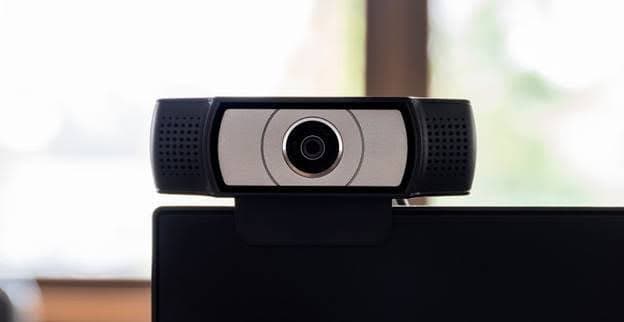
From being only an accessory used infrequently for video conferencing, webcams have matured to become an integral aspect of how individuals in today's society conduct business, learn, and engage virtually. With the widespread shift to remote work and digital learning, over 65% of users now depend on webcams for daily interactions.
Consequently, the global webcam market has experienced explosive growth. Valued at approximately USD 10.07 billion in 2025, the global market is projected to reach USD 13.92 billion by 2031, growing at a steady CAGR of 5.66%. The booming live-streaming, content creation, and rapidly emerging "live commerce" (e-commerce livestreaming) segments have further contributed to this demand, lifting volume shipments and reinforcing the need for premium communication ecosystems.
The Role of Technology in the Webcam Market
Technology development heavily influences the market by introducing capabilities that go far beyond simple video capture. Today, around 50% of recent innovations are centered on improving image quality and adaptability. Many of the latest webcams feature advanced AI capabilities such as auto-framing, background blur, face detection, and noise suppression.
For the e-commerce sector specifically, these technological leaps are enabling a new wave of "Visual Marketing." Webcams are no longer just for looking at faces; businesses are integrating them with AR/VR systems and interactive displays to create highly immersive marketing campaigns and operate dynamic virtual storefronts.
Different Segments Within the Webcam Market
When it comes to webcams today, a functional camera is no longer enough; users expect clear video, good low-light performance, and smooth streaming. To meet these demands, the market has defined clear value propositions across its segments:
Low to Medium-Priced (Everyday, Professional & Live Commerce Users): A basic, grainy image is no longer acceptable. Full HD (1080p) has become the established standard for corporate remote work and online schooling, commanding 45.72% of the webcam market size in 2025. Thanks to technology trickling down, machine-learning features once exclusive to expensive conference systems now ship in sub-USD 200 consumer devices.
High-End (Content Creators, Retail Brands & Executives): Designed for users demanding broadcast-quality video, the high-end segment is driven by the rapid 6.02% CAGR growth of 4K UHD units. E-commerce brands rely heavily on this premium tier to conduct high-quality product demonstrations and brand storytelling. Leading examples of this premium segment include the Razer Kiyo Pro Ultra, which integrates an F1.7 aperture for superior low-light 4K30 capture, and the Logitech MX Brio, which features a unique "Show Mode" that allows users to tilt the camera down to share physical documents and sketches directly from their desks.
Where the Webcam Market Is Heading
As the market looks to the future, manufacturers are designing webcams that directly solve the most pressing challenges faced by consumers and enterprises:
Revolutionizing Retail and Customer Service: As visual marketing continues to expand, retail and customer service deployments are emerging as notable growth areas. In the near future, we will see wider adoption of real-time video analytics powered by AI to enhance customer interaction and operational intelligence.
Solving Privacy Concerns: Privacy remains a massive consumer hurdle; currently, 75% of consumers worry about unauthorized camera access, and 61% physically cover webcams when idle. To combat this, the market is heading toward stronger security integration, featuring physical privacy shutters, embedded low-power designs, and HIPAA-compliant encrypted streams to ensure end-user safety.
Combating Built-In Camera Limitations: While embedded laptop cameras ship in 95% of new notebooks, they are limited by fixed angles, small sensors, and poor low-light performance. To solve this challenge for hybrid work and professional streaming, the industry is leaning heavily into external, AI-powered webcams. Because they offer superior optics, dynamic auto-framing, and flexible positioning, external units led with 54.57% of the webcam market share in 2025.